How Center Crops Work
Inspect actual square, landscape and portrait files from one image, with the retained dimensions and removed edges explained.
Last checked October 20, 2026
What a center crop removes
These are actual cropped files from the same 800 × 800 reference export. They illustrate geometry and do not reproduce Etsy's interface.
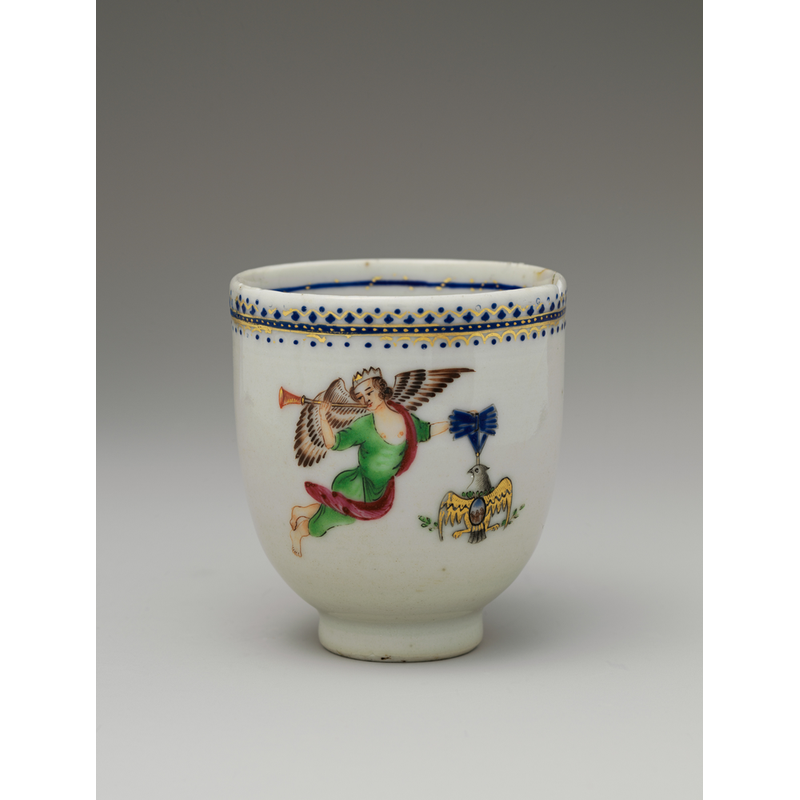
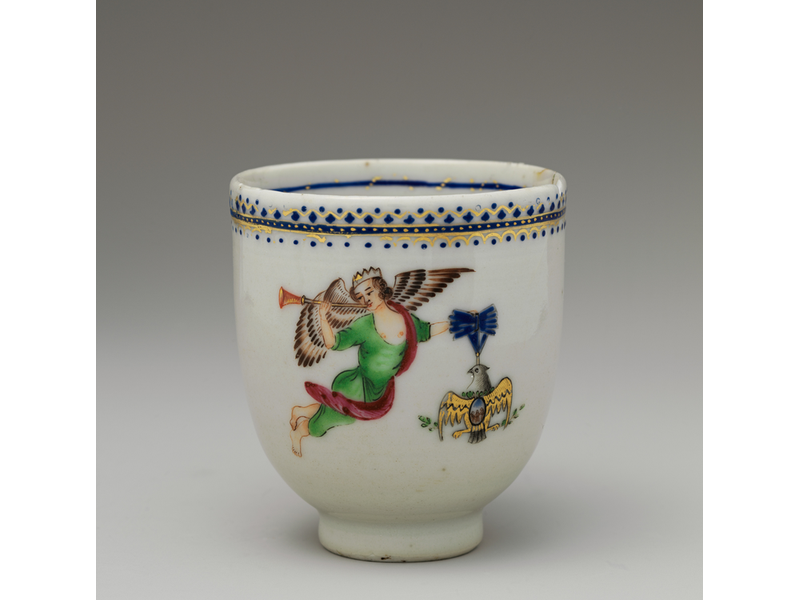
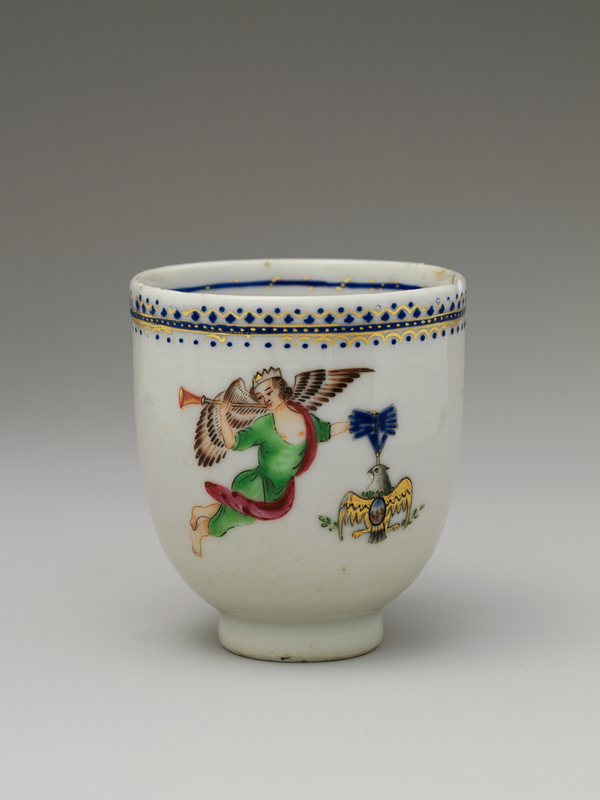
The square already has side padding. A portrait crop can remove padding while a landscape crop removes source content vertically. This is why you must inspect the subject instead of treating every removed pixel as damage.
Image sources and reproduction
Photographs: Coffee Cup, The Metropolitan Museum of Art; Coffee cup and coffee bean, mcfoodie. Both are CC0. They are third-party test material, not photographs taken by this project. Pattern, text, transparency and noise fixtures are generated tests.


Measured 2026-10-20 with sharp 0.35.4, libvips 8.18.6, Node 24.13.1. Download all dimensions, byte counts and SHA-256 hashes. Reproduction script.
Calculate the retained frame
For a square of side S, a centered 4:3 crop retains a height of 3S/4 and removes S/8 from each vertical edge. A 3:4 crop retains a width of 3S/4 and removes S/8 from each horizontal edge. With S = 800, that is 100 pixels at each affected edge.
The same fractions apply to a larger square: a 2000 × 2000 source loses 250 pixels at each affected edge. A non-square source requires its own calculation. Do not carry the square example over to every source ratio.
Judge the content removed
The padded cup example has spare space at its sides, so removing side pixels need not remove the cup. The same crop could clip a handle in a tighter composition. Compare the actual product boundary, not merely the retained percentage.
Use the separate thumbnail checklist to assess meaning, readability and the final marketplace preview. Its job is a publishing decision; this page provides the file geometry behind that decision.
Sources checked
- MDN: drawImage source and destination rectangles · MDN Web Docs